

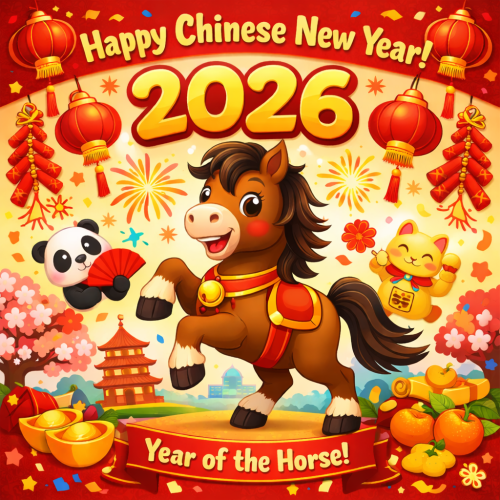
posted 12th February 2026
What Is Chinese New Year?
A Gentle Introduction for Families
Chinese New Year, also known as the Spring Festival, is the most important traditional celebration in Chinese culture. It marks the beginning of the lunar new year and is a time for family reunion, reflection and new beginnings.
Unlike 1st January in the Western calendar, Chinese New Year follows the lunar cycle, which means the date changes each year, usually falling between late January and mid-February.
But beyond fireworks and red decorations, what does it really mean?
A Festival About Family
At its heart, Chinese New Year is about coming home.
Across China — and around the world — families travel long distances to gather for New Year’s Eve dinner. It is often described as the largest annual human migration in the world. The reunion meal symbolises unity, belonging and continuity between generations.
For children, this is a time filled with excitement:
• Wearing new clothes
• Receiving red envelopes (hongbao)
• Enjoying special festive foods
• Watching lion and dragon dances
For adults, it is a moment to pause, to reflect on the past year, and to set hopes for the year ahead.
The Meaning of Red
You may notice that red is everywhere during Chinese New Year.
Red symbolises happiness, good fortune and protection. Red envelopes are traditionally given by parents and grandparents to children as a blessing for growth and prosperity.
It is not simply about money — it represents wishes for health, progress and success.
Zodiac Animals and Storytelling
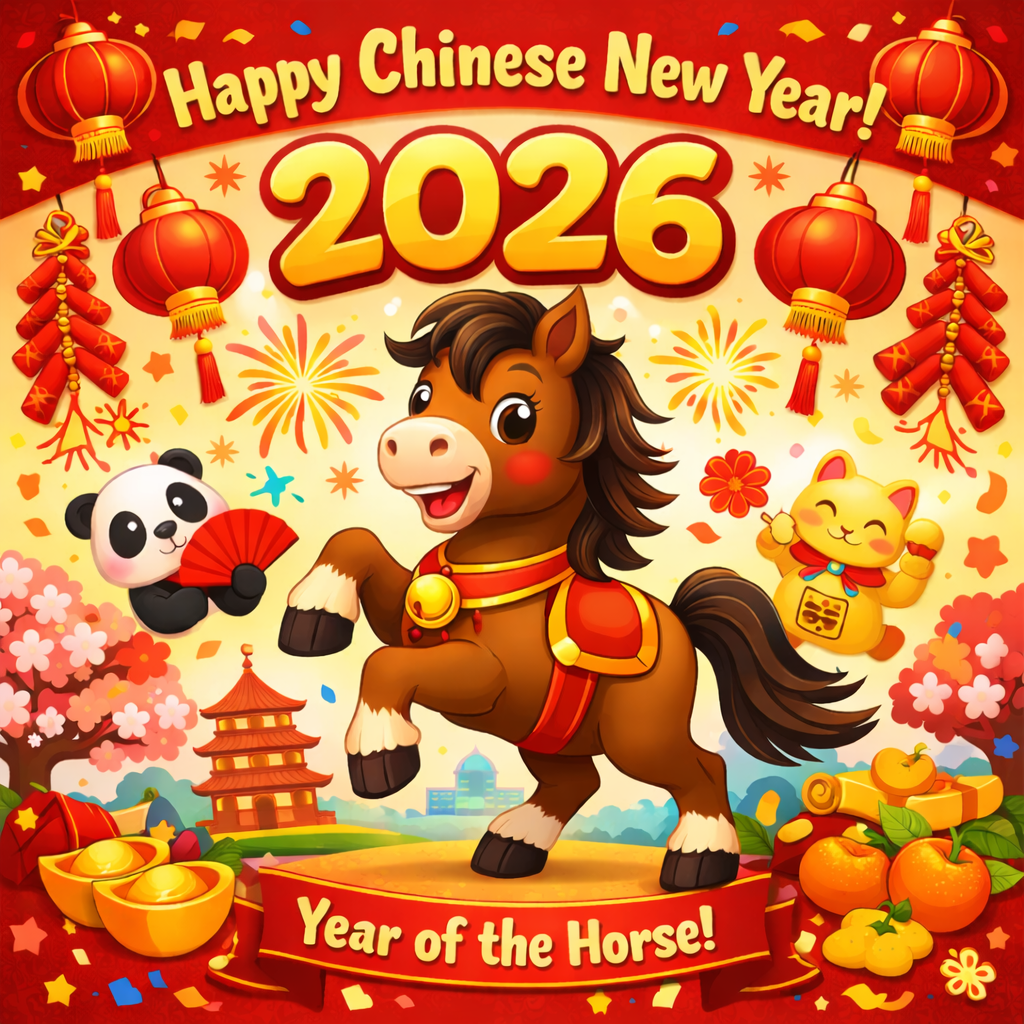
Each year is associated with one of the twelve Chinese zodiac animals. These animals are not just symbols — they carry personality traits and stories that children love to explore.
Learning about the zodiac can be a wonderful way to introduce cultural storytelling while building language skills.
Why We Teach It
At Mandalingo, we introduce Chinese New Year not just as a festival, but as a window into culture.
Understanding traditions helps children see language as something living — connected to real people, real families and real stories.
For bilingual or heritage families, it can also be a way to maintain cultural roots. For non-Chinese learners, it opens a door to global awareness and empathy.
Chinese New Year is ultimately about renewal — and that is something every culture understands.